
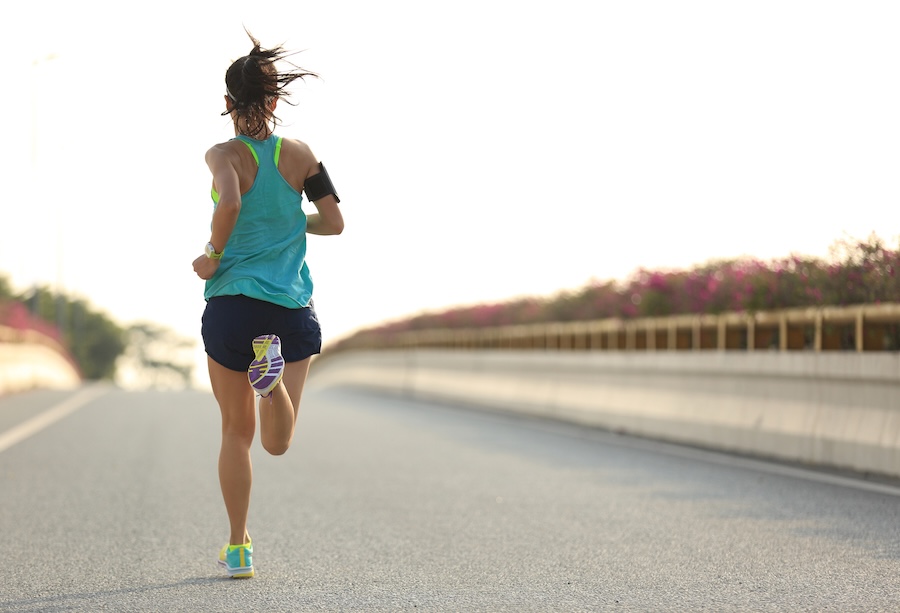
Why Endurance Runners May Be More at Risk for Cavities
June 26, 2026 9:00 amYou come in for a cleaning and find out you have a few cavities. That is frustrating enough on its own. Then you start running through the usual questions in your head: How? I brush twice a day. I floss. I am not constantly eating candy or sipping soda. I am not much of a snacker.
For some endurance runners, the answer may be hiding in the part of the week they feel best about: training.
Long runs, race prep, bike sessions, and hot-weather workouts often come with gels, chews, sports drinks, electrolyte mixes, and a dry mouth from breathing hard for hours. None of those things make you careless about your teeth. In fact, they may be part of a solid fueling plan. However, when sugar and acid keep hitting the teeth during a dry run, then again during the next workout, the pattern can give cavities more of an opening than you would expect.
At High Point Dentistry, we see active patients from East Austin, Round Rock, South Austin, South Congress, and our Kids & Braces office in South Austin. The point is not to tell runners to quit using the fuel that gets them through training. It is to recognize how running habits can affect the mouth and make a few practical changes that fit into the miles.
Long Runs Create a Different Pattern Than Everyday Eating
Most people are not eating something sweet every thirty to forty-five minutes for several hours at a time. During a long run, though, that may be exactly what a fueling plan calls for.
You take a gel. A few miles later, you take another one. You sip an electrolyte drink in between. On a hot day, you may keep drinking from the same bottle for most of the run because it is what you brought and it is helping you stay on track.
From a sports nutrition standpoint, that can make sense. Your body needs fuel. The issue is that your teeth are getting repeated contact with sugar, carbohydrates, and acids over a long stretch of time.
Cavity-causing bacteria use sugars and certain carbohydrates as food. As they process those sugars, they produce acid. Meanwhile, many sports drinks and electrolyte mixes are already acidic before bacteria even enter the picture. So, the teeth may be dealing with acidity from the drink itself, plus additional acid produced in the mouth.
During a long run, you may use several gels, sip an electrolyte drink between them, and repeat that routine week after week through a full training block. That repeated exposure is what can add up for teeth, particularly when the mouth is dry and there is not much plain water mixed in.
Dry Mouth Gives Sugar and Acid More Time to Sit on Teeth
Saliva does more for your teeth than most people think about. It helps rinse away food, dilute acids, and keep the mouth from staying dry and sticky.
During endurance exercise, saliva flow can drop. You may be breathing through your mouth for long stretches, sweating heavily, or drinking just enough to get through the miles without really clearing your mouth. Add heat, wind, and dehydration, and your mouth may feel dry before you even notice it.
Then you take a gel, sip an electrolyte drink, and keep moving. Some residue can stay around the back teeth, in the grooves of molars, or near old fillings. If your mouth is dry, there is less natural rinsing happening in the background.
Put together, the mouth is dealing with three things at once: sugars that bacteria can use, acids from many gels and drinks, and less saliva to wash everything away. Over time, that can leave enamel more vulnerable than you would expect from someone who otherwise brushes and flosses consistently.
Energy Gels Can Be Useful and Still Be Rough on Teeth
Energy gels exist for a reason. They are easy to carry, quick to take, and can make a big difference during longer efforts. Nobody is suggesting you should toss them out because of your teeth.
However, many gels are sticky and concentrated. Some contain sugar, while others use different forms of carbohydrates that can still be broken down in the mouth. Either way, they can leave residue behind.
The easiest adjustment is to take gels with plain water when you can. That does not mean you need a perfect rinse every time. You are in the middle of a run, not standing at the bathroom sink. A few swallows of water after a gel can still help move some of that residue away from the teeth.
It may also help to avoid taking a gel with only a sports drink when water is available. If both the gel and drink are sweet or acidic, the mouth gets a double hit. Water gives you a small reset before the next fueling point.
Sports Drinks Can Be Part of the Problem Too
Electrolytes are often important for runners, especially during longer training sessions, high heat, or heavy sweating. The concern is not the electrolytes themselves. It is the way some products are made.
A lot of sports drinks contain sugar, acid, or both. Even drinks without sugar can still be acidic enough to wear on enamel when they are sipped for hours.
This is where runners can accidentally create a constant exposure pattern. You fill one bottle with a sports drink, take a sip every few minutes, then refill it later. It may feel better than plain water, especially when you are tired or hot. But from your teeth’s perspective, there may not be much of a break.
You do not need to replace every electrolyte drink with water. That would not make sense for every runner or every training day. Instead, think about when the drink is really needed.
For shorter runs, plain water may be enough. For longer runs, you might alternate water and electrolyte drinks. If you take a gel, water can be the better thing to reach for afterward. Small changes like that can lower how long your teeth are sitting in a sweet or acidic environment.
The Risk Can Build Over a Training Season
Most runners are not getting cavities from one Saturday long run. The problem is more likely to build quietly across a season.
Maybe you are training for a marathon and running four or five days a week. Your weekend long run includes gels and sports drinks. Your speed work has an electrolyte mix. You grab a recovery drink after harder sessions. Then there are race weekends, travel, coffee on the way to a workout, and maybe sports chews before a run.
None of that sounds extreme on its own. But after a few months, your teeth may be seeing sugar and acid much more often than they used to.
That can explain why someone with good brushing habits still ends up with new cavities or enamel wear. It is not that they suddenly stopped taking care of their teeth. Their routine changed because their training changed.
If you are training more than usual and have started noticing sensitivity, rough spots, or recurring cavities, it is worth mentioning the running piece at your next dental visit. It gives your dental team more context than simply saying, “I don’t know why this keeps happening.”
Water Is the Most Practical Thing to Add
You do not need to carry a toothbrush during a long run. You also do not need to brush immediately after taking a gel or finishing a sports drink. In fact, brushing right after repeated acid exposure is not ideal because enamel may be temporarily softer.
Water is the better move while you are training. After taking a gel, drink some plain water. If you have been sipping a sports drink for a while, take a few water sips before you go back to it. You are not trying to do a full cleaning routine mid-run. You are just giving your mouth a little help.
Then, after the run, keep drinking water while you cool down and eat. Brush later as part of your normal routine rather than racing home and brushing the second you walk through the door. That is a realistic habit for most runners. It also does not interfere with the fueling plan you already know works for you.
Sugarless Gum or Xylitol Mints Can Be Useful Around Training
Sugarless gum or xylitol mints may be useful when your mouth feels dry, whether that is during an easier stretch of a run, right afterward, or later in the day. Chewing gum can increase saliva flow, while xylitol mints offer another option for runners who do not want to chew.
Some runners may not want either one while they are moving, especially during a hard effort. Others may prefer a mint after a gel, at an aid station, or once the run is over. The main idea is to give the mouth a little help producing saliva after repeated exposure to gels, chews, and sports drinks. This is not meant to replace water or brushing. It is just another small option for days when your mouth feels especially dry after training.
Brushing and Flossing Still Do Most of the Work
Runner-specific habits can lower some of the extra risk, but they do not replace the regular basics.
Brush twice a day with fluoride toothpaste. Fluoride helps strengthen enamel and gives teeth more support when they are exposed to acid regularly. At night, spend a little more time around the gumline and back molars, especially after a day with gels, drinks, or frequent snacking.
Cleaning between teeth is important too. Gels and drinks do not only sit on the chewing surfaces. Sugar and residue can settle around crowded teeth, old fillings, bridges, and areas where a toothbrush does not reach well.
If floss is hard to use consistently, an interdental brush or water flosser may be easier. The best tool is the one you will actually keep using after an early run, a late workout, or a weekend race.
For runners who keep dealing with cavities, enamel wear, dry mouth, or sensitivity, your dentist may also recommend fluoride rinse or another prevention option based on what they are seeing.
Pay Attention to Small Changes in Your Teeth
Cavities do not always come with a big toothache. Sometimes the first sign is a tooth that reacts to cold water. Sometimes a sports drink starts bothering one spot more than the others. You may notice floss catching around an old filling, or food getting stuck near the same tooth after meals.
Bring those changes up at your next dental visit, especially if they seem to show up more often during a heavier training block.
It is also helpful to mention your training habits during an exam. You do not need to bring a full race schedule. Just mention that you regularly use gels, chews, electrolyte drinks, or recovery beverages. That information can help explain why your mouth feels dry more often or why certain teeth may be showing early wear.
Catching those changes early usually gives you more choices. You may need a small filling, a fluoride treatment, a change in home care, or simply a better plan for protecting your teeth during longer training blocks.
Dental Care for Endurance Runners in Austin and Round Rock
Running is good for a lot of things. Your teeth just need a little consideration when gels, chews, sports drinks, and dry mouth become part of your regular routine.
Taking gels with water, alternating plain water with sports drinks when it works for your training, using sugarless gum or xylitol mints around training, and sticking with fluoride toothpaste can all help reduce the extra exposure that comes with endurance running.
High Point Dentistry serves patients in East Austin, Round Rock, South Austin, South Congress, and at our Kids & Braces office in South Austin. Call to schedule a visit if you have noticed sensitivity, repeated cavities, or changes in your teeth during a busy training season.
Contact UsCategorised in: Dental Tips, Preventative Dentistry