

Root Canal Therapy
in Round Rock & Austin, TX
Tooth pain and sensitivity caused by an infected tooth root can quickly grow old. More often, root canal therapy is the best effort to save the natural tooth. Whether it is your first root canal or third, we understand the apprehension about root canals.
At High Point Dentistry, our root canal procedure can save your natural tooth by removing the infected tissue in a comfortable environment. Call our office to learn more about root canals, or schedule a consultation with our team in Round Rock and Austin!
Schedule a Consultation
What happens during a root canal procedure?
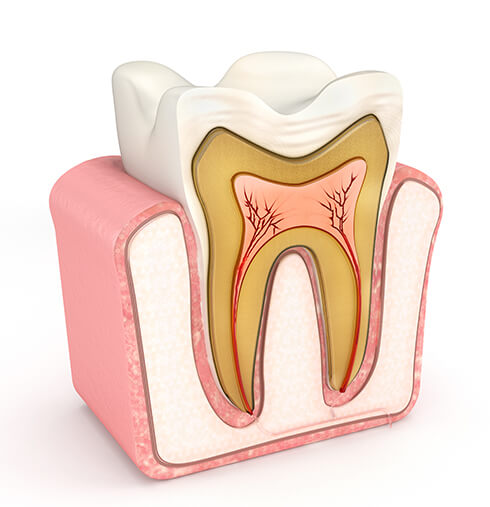
Despite being a common dental procedure, root canal therapy continues to fill patients with anxiety. At High Point Dentistry, we aim to create a comfortable and gentle experience for every patient, no matter the treatment. During root canal therapy, our dentist works to remove the infected or inflamed tooth pulp. Once the infected tissue is removed, our dentist cleans the pulp chamber and root canal before shaping the space for filling. After, a dental crown or other restoration will be placed on the tooth for protection.
Why would I need a root canal?
Once infection reaches the pulp and nerve of the tooth, discomfort and further infection rapidly place the rest of your remaining healthy teeth at risk. A root canal prevents this from occurring. Signs you may need a root canal include:
- Severe tooth pain
- Extensive tooth decay
- Tooth sensitivity
- Swollen gums
- Tooth discoloration

What can I eat after a root canal?
While each experience will vary, the general rule for what patients can eat post root canal therapy is to stick to soft foods. Soft foods for at least two to three days give time for adjustment and are best to avoid discomfort. Before and after your root canal procedure, our team will provide you with information about what to expect and what you can eat.

Is it better to get a root canal or an extraction?
Whenever possible, we recommend saving your natural tooth with a root canal rather than removing it. Preserving your natural tooth helps maintain your bite, supports your jawbone, and eliminates the need for a replacement option like a dental implant or bridge. However, if a tooth is too severely damaged to be restored, an extraction may be the healthiest solution. We’ll evaluate your situation and recommend the treatment that best supports your long-term oral health.
Will I need to get a dental crown after my root canal?
In many cases, yes. A tooth that has undergone root canal therapy is often weaker because the infected tissue has been removed from inside the tooth. A dental crown helps protect the remaining tooth structure from cracking while restoring its strength and function. Depending on the location of the tooth and the amount of healthy structure remaining, your dentist will recommend whether a crown is the best option for long-term protection.

Are root canals painful?
Root canals have a reputation for being uncomfortable, but modern techniques make the procedure much easier than many people expect. We thoroughly numb the area before treatment, so you should feel little to no pain during the procedure. For patients with dental anxiety, we also offer several sedation options to help you feel relaxed and comfortable from start to finish. Most patients say getting a root canal feels similar to having a routine filling placed.